
Bhaktapur: Discovering Bhaktapur, Nepal’s Timeless Heritage
Overview
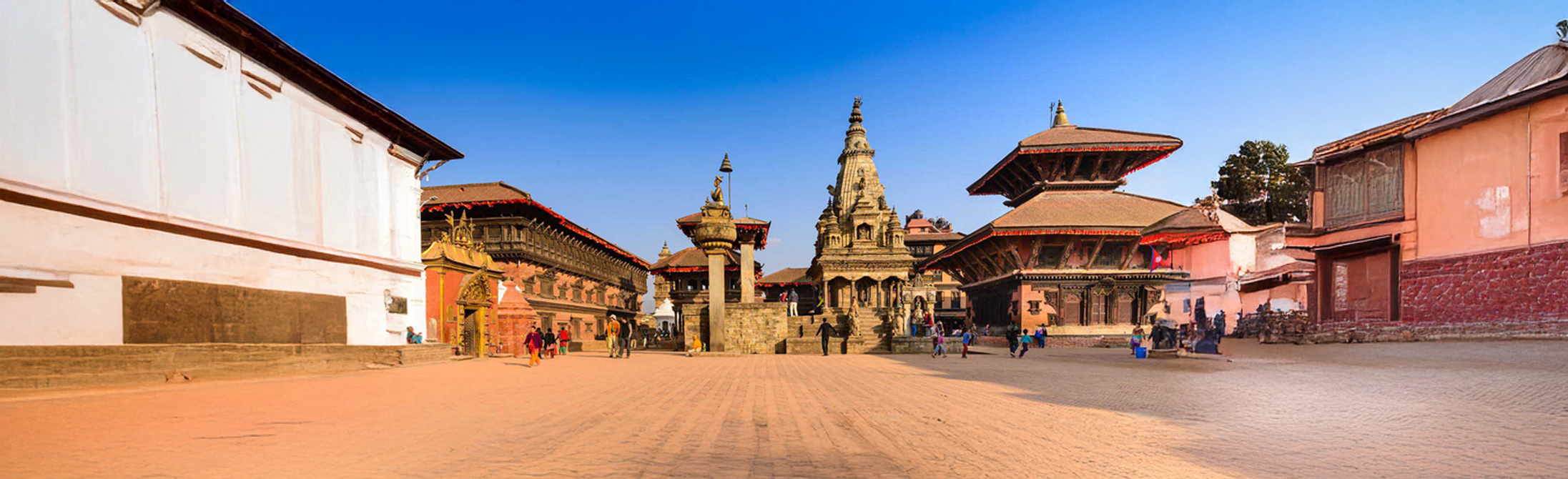
Bhaktapur, also called Bhadgaon or Khwopa in the Newari language, is one of the most culturally enriched and historically conserved cities of Nepal. Located about 13 km east of Kathmandu, it is known for UNESCO World Heritage Sites, medieval architecture, vibrant festivals, and traditional handicrafts. Once a flourishing city of the Malla Kingdom (12th–15th century), Bhaktapur is now a living museum of Newar culture where every brick, alley, and courtyard tells a story of its past. This guide covers everything you need to know before visiting Bhaktapur – the must-see attractions, cultural experiences, best places to eat and stay, and when to visit.
Where is Bhaktapur?
Bhaktapur, located approximately 13 km east of Kathmandu, is one of the three royal cities in the Kathmandu Valley. Known as the ‘City of Culture,’ it is a well-preserved medieval city that serves as a hub for Newar heritage and traditions, offering a quieter and more authentic experience compared to the bustling capital.
What makes Bhaktapur an interesting place to visit in 2025?
- Immerse yourself in well-preserved medieval Newari architecture and UNESCO World Heritage Sites.
- Experience vibrant festivals like Bisket Jatra, showcasing rich cultural traditions.
- Explore traditional craftsmanship through pottery, wood carving, and metalwork workshops.
- Enjoy a traffic-free environment in ancient squares, perfect for photography and cultural immersion.
Must-Visit Places in Bhaktapur
A UNESCO World Heritage Site at the heart of Bhaktapur, this square is filled with palaces, courtyards, and temples showcasing exquisite Newari craftsmanship. Highlights include the 55-Window Palace, a masterpiece of wood carving, the Vatsala Temple with its stone architecture and bells, and the intricately decorated Golden Gate.
The tallest pagoda-style temple in Nepal, built in 1702 and dedicated to goddess Siddhi Lakshmi. Admired for its symmetry and stone guardians, it’s a must-visit for its architectural grandeur and spiritual significance
One of the oldest parts of Bhaktapur, home to the Dattatreya Temple, said to be built from the wood of a single tree. The square is surrounded by monasteries and traditional houses, offering a glimpse into Bhaktapur’s ancient heritage
A vibrant hub where artisans create clay pots, jars, and decorative items using age-old techniques. Visitors can watch the pottery-making process and even participate in workshops to try their hand at this traditional craft
Cultural Heritage of Bhaktapur
Bhaktapur is the cultural epicenter of the Newar people, known for their festivals, music, dance, and cuisine. The city has preserved its medieval form and traditional skills like pottery, wood carving, and metalwork. Visitors can engage in workshops, attend festivals like Bisket Jatra, or explore local markets to experience this living heritage
Best Time to Visit Bhaktapur
Spring
March–May: Pleasant weather with blooming flowers, ideal for exploring squares and temples
Autumn
September–November: Clear skies and vibrant festivals like Dashain and Tihar, perfect for cultural immersion
Winter
December–February: Cool weather, fewer tourists, and a peaceful atmosphere for sightseeing
Monsoon
June–August: Lush greenery but occasional heavy rain, best for indoor cultural activities
Food and Dining in Bhaktapur
- Juju Dhau (King Curd) – Rich, creamy yogurt served in traditional clay pots
- Bara – Savory lentil patties, a popular Newari snack
- Samay Baji – A traditional platter with beaten rice, meat, pickles, and legumes
- Momo – Nepali dumplings filled with vegetables or meat, a local favorite
Recommended Restaurants
- King Curd Café – Famous for authentic Juju Dhau
- Shiva Guest House & Restaurant – Offers traditional Newari dishes
- Bean Around Café – Cozy spot for coffee and snacks
- Nyatapola Café – Great views and local cuisine
Shopping in Bhaktapur
- Handcrafted pottery from Pottery Square
- Wooden masks and intricate carvings
- Thangka paintings depicting spiritual themes
- Metal statues and decorative items
Popular Markets
- Pottery Square for clay crafts
- Local markets near Durbar Square
- Artisan shops for Thangka and metalwork
How to Reach Bhaktapur
Road
- Local buses from Ratna Park or Bhaktapur Bus Park in Kathmandu (30–45 minutes)
- Taxis or private cars for a more comfortable journey (20–30 minutes)
- Guided tours combining Bhaktapur with Kathmandu and Patan
Where to Stay in Bhaktapur
Luxury Options
- Peacock Guest House
- Hotel Heritage Bhaktapur
- Bhadgaon Guest House
MidRange Options
- Shiva Guest House
- Planet Bhaktapur Hotel
Budget Options
- Khwopa Guest House
- Golden Gate Guest House
Tip: Stay in the old city for an immersive cultural experience and easy access to heritage sites
Essential Travel Tips for Bhaktapur
- Pay the entry fee for the old city, which supports heritage preservation
- Wear comfortable shoes for walking on cobblestone streets
- Ask permission before photographing locals, especially during rituals
- Dress modestly when visiting temples and religious sites
- Stay overnight to enjoy Bhaktapur’s serene evenings and fewer crowds
Sustainable Tourism in Bhaktapur
- Support local artisans by purchasing handmade pottery, carvings, and paintings
- Use reusable water bottles to avoid plastic waste
- Respect heritage sites by not climbing or touching delicate structures
- Engage respectfully in cultural activities and workshops
Day Trips Near Bhaktapur
- Nagarkot – Famous for sunrise and Himalayan views
- Changu Narayan Temple – The oldest Hindu temple in the Kathmandu Valley
- Patan Durbar Square – Another UNESCO World Heritage Site with stunning Newari architecture
Is Bhaktapur Worth Visiting?
Absolutely. Bhaktapur’s rich Newari heritage, UNESCO World Heritage Sites, and vibrant cultural traditions make it a must-visit destination in Nepal in 2025. Whether you’re exploring historic squares, tasting authentic Juju Dhau, or watching artisans at work, Bhaktapur offers a timeless journey into Nepal’s cultural heart, perfect for history buffs, photographers, and cultural enthusiasts.