
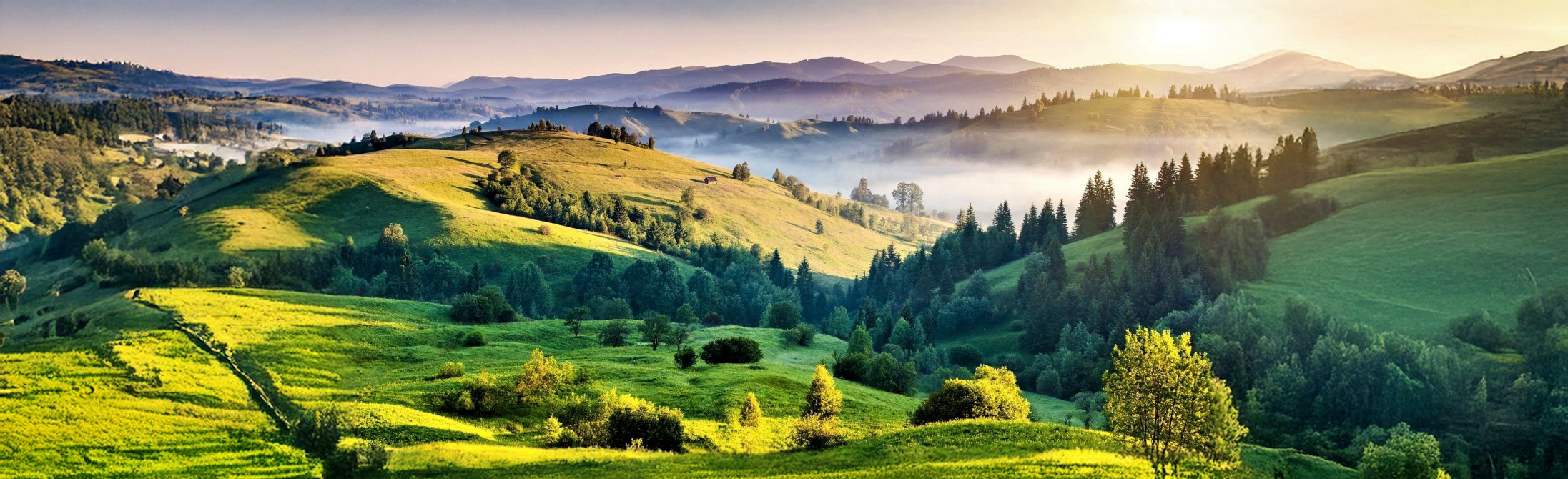
Khaptad: The Untouched Paradise of Far-Western Nepal
Overview
Khaptad National Park, in far-western Nepal, spans 225 sq km across Bajhang, Bajura, Achham, and Doti districts. Known for its rolling green hills, dense forests, rich biodiversity, and spiritual significance, it’s a haven for trekkers, nature enthusiasts, and pilgrims seeking an off-the-beaten-path adventure.
Where is Khaptad National Park?
Located approximately 450 km west of Kathmandu in far-western Nepal, Khaptad National Park is a remote destination accessible by flights to Dhangadhi or Nepalgunj, followed by a jeep or bus ride and short treks through forests and villages.
What makes Khaptad National Park an interesting place to visit in 2025?
- Pristine landscapes with rolling pastures and Himalayan views.
- Rich biodiversity, including over 270 bird species and rare mammals.
- Spiritual significance with sites like Khaptad Baba Ashram and Triveni.
- Uncrowded trails, perfect for an authentic trekking experience.
Must-Visit Places in Khaptad National Park
Khaptad Baba Ashram
A spiritual retreat where Khaptad Baba meditated for over 50 years, promoting peace and nature appreciation, especially vibrant during Ganga Dashahara.
Triveni
A sacred site where three rivers converge, considered holy and purifying for pilgrims.
Khaptad Lake
A serene high-altitude lake surrounded by meadows, ideal for reflection and photography.
Adventure Activities in Khaptad National Park
- Trekking the Khaptad Plateau through forests and meadows.
- Birdwatching to spot rare species like the Impeyan pheasant.
- Camping in designated areas for an immersive nature experience.
- Photography treks to capture untouched Himalayan landscapes.
Cultural Heritage of Khaptad
The park is surrounded by Dalit, Chhetri, Brahmin, and Thakuri communities. Visitors can experience traditional foods, dances, and festivals, immersing themselves in the region’s preserved cultural traditions.
Best Time to Visit Khaptad National Park
Spring
March–May: Vibrant wildflowers and pleasant weather, ideal for trekking.
Autumn
September–November: Clear skies and crisp air, perfect for mountain views.
Winter
December–February: Cold and snowy, offering a serene but challenging experience.
Monsoon
June–August: Heavy rainfall and slippery trails, but lush scenery.
Food and Dining in Khaptad
- Dal Bhat – A hearty meal of rice, lentils, and vegetables.
- Local breads and seasonal vegetables from nearby villages.
- Traditional teas and snacks served at teahouses.
Recommended Restaurants
- Local teahouses in nearby villages – For simple, home-cooked meals.
- Camping site food – Basic but authentic local cuisine.
Shopping in Khaptad
- Local handicrafts from nearby villages.
- Woven textiles and traditional items.
Popular Markets
- Village markets in Bajhang and Achham
How to Reach Khaptad National Park
Air
- Flights from Kathmandu to Dhangadhi or Nepalgunj, followed by a jeep or bus ride.
Road
- Jeeps or buses from Dhangadhi/Nepalgunj, followed by a short trek to the park.
Where to Stay in Khaptad
Budget Options
- Camping in designated park areas
- Basic lodges and teahouses in nearby villages
- Pilgrimage rest houses near Khaptad Baba Ashram
Tip: Camping offers the most immersive experience; bring your own gear for comfort.
Essential Travel Tips for Khaptad
- Pack warm clothing for cold nights at high altitudes.
- Carry essentials like water and snacks due to limited facilities.
- Hire a local guide for safety and cultural insights.
- Respect park rules and avoid littering to preserve the environment.
- Stay hydrated and be prepared for high-altitude trekking.
Is Khaptad National Park Worth Visiting?
Absolutely. Khaptad National Park offers untouched natural beauty, rich biodiversity, and spiritual serenity, making it a hidden gem in Nepal for 2025. Ideal for trekkers, nature lovers, and those seeking a peaceful escape, Khaptad combines adventure, culture, and tranquility.